
Moving into a dementia care home: the family checklist
Deciding to move a loved one into a care home is never easy. From the emotional toll it takes on your family member and yourself, to organising finances, there is a lot to think about. Moving into a care home can feel like a huge shift for everyone involved, and it is normal to feel unsure about what to do first.
At Wisteria House Dementia Care, we support families and their loved ones through the move, taking care of both emotional and practical needs. We will do all we can to help when you decide to move your family member into our care home.
In this family checklist guide, we explain the process of making a decision about moving into a care home, preparing for move-in day, and minimising the stress of the transition. This guidance is here to support you, though we always recommend seeking advice from health and social care professionals too.
Understanding when it might be time to consider a dementia care home
Many families caring for a loved one with dementia try their best to manage independently for as long as possible. Even with love and commitment, there may come a point when the kindest and safest option is moving into a care home.
Full-time dementia care can reduce risks at home and improve wellbeing. It might be time to explore care options if:
- Your loved one is struggling with everyday tasks like washing, eating or keeping their home clean.
- They have had more accidents or falls.
- Their sleep pattern has changed, possibly with wandering at night.
- You or another carer can no longer meet their needs due to other commitments or declining health.
- Their mobility has reduced, especially following a hospital stay.
- Their health needs have become too complex to manage safely at home.
- You are feeling physically or emotionally overwhelmed.
Charities such as Alzheimer’s Society, Dementia UK and Age UK offer helpful guidance to support families through this stage. It is also important to speak with a GP so that any decision around moving into a care home is shared and supported.
Step one of your checklist: starting the conversation as a family
Opening up a conversation about care can feel daunting. If the person living with dementia can still take part, try gentle, age-appropriate discussions. Keep language simple and honest, and allow time for them to express any worries.
It may help to bring siblings or close family together. Each person may have different concerns, and sharing them openly can make the decision feel more balanced. You might hear comments about guilt or feeling like you are giving up — which are incredibly common.
Remind each other that moving into a care home does not mean withdrawing love or care. It simply means changing the type of support so everyone is safer, calmer and less overwhelmed.
Families can approach Wisteria House at any point, even if you are still unsure. Our team is always happy to talk through options and support you as you take the first steps. If this is something that you think could help, please do not hesitate to get in contact with us.
Step two: choosing the right dementia care home
A good dementia care home should feel warm, relaxed and truly centred on the person. Look for:
- Staff with specialist dementia training
- A homely atmosphere instead of an institutional one
- Flexible routines rather than rigid schedules
- Engaging, meaningful activities
- Strong CQC ratings
- Clear and open communication with families
At Wisteria House, our small, independent homes focus on relationship-centred care. We do not use uniforms, our routines are flexible, and our homes are designed to feel safe and familiar. Our CQC ratings across care homes in Plymouth reflect the quality and consistency of our approach.
Shortlist a few homes, book visits and trust how each place makes you feel. Sometimes your instincts are the best guide when moving into a care home.
Step three: your visit checklist – what to look for and questions to ask
Visits can be emotional, so having a checklist can help. During your visit, consider the following:
- Does the environment feel homely and comfortable?
- How do staff speak with and support residents?
- Are people engaged in meaningful activities?
- What are mealtimes like?
- Are families free to visit flexibly?
- How does the home handle end-of-life care?
- How will the home respond as your loved one’s needs change?
- Is there a registered nurse on staff or on call 24/7, and how are medical emergencies handled?
- Are bathrooms/toilets accessible, and is there a safe, secure outdoor space?
- Are snacks and drinks available throughout the day, and can the home cater for dietary needs/preferences?
- How does the home handle complaints and concerns?
- Can you visit at different times of day to get a true feel for the atmosphere?
- If appropriate, can you talk to residents and families about their experience?
Ask about care plans, key workers, trial stays and how the team keeps in touch with families. Guidance from organisations like Age UK and Alzheimer’s Society can also offer clear prompts.
Step four: preparing your loved one – emotional and practical support
Moving into a care home can feel overwhelming for the person with dementia, so gentle preparation is important. Consider:
- Visiting the home together a few times beforehand
- Trying day care or a short respite stay if possible
- Using old photos, simple explanations and familiar routines to reduce anxiety
- Speaking with staff about your loved one’s habits, preferences and life story
- On the day of the move, having familiar faces nearby can offer reassurance. Bring comforting items from home, such as photos or favourite blankets, to support connection and memory.
Step five: what to pack and how to make their room feel like home
Packing can feel like a big job, so a simple list helps. You may want to include:
- Comfortable clothing and supportive footwear
- Personal care items
- Favourite possessions
- Old photos and memory prompts
- Small pieces of familiar furniture, if suitable
- Personalising the room can ease anxiety and help the person settle into their new surroundings. Each home, including Wisteria House, can offer specific guidance on valuables, labelling clothes and what is safe to bring.
Step six: the first days and weeks – helping everyone settle
The early days often bring mixed emotions. Your loved one might be confused or quieter than usual, or they may appear more relaxed surprisingly quickly. Both reactions are normal, and behaviour can change while they settle into new routines.
Continue familiar activities where possible and stay in touch with staff so you know how things are going. It is also very normal to question whether you made the right decision. Many families later find that moving into a care home brings improvements in safety, social contact and emotional wellbeing.
Looking after yourself as a carer during the transition
This stage is often exhausting. Carers may feel grief, guilt, relief — or a mix of all three. Try to lean on support networks, whether through family, friends or charities such as Alzheimer’s Society.
Taking breaks, joining support groups and seeking emotional help are all signs of strength, not failure. Remember that choosing residential dementia care is often an act of love and protection.
How Wisteria House supports families moving into dementia care in Plymouth
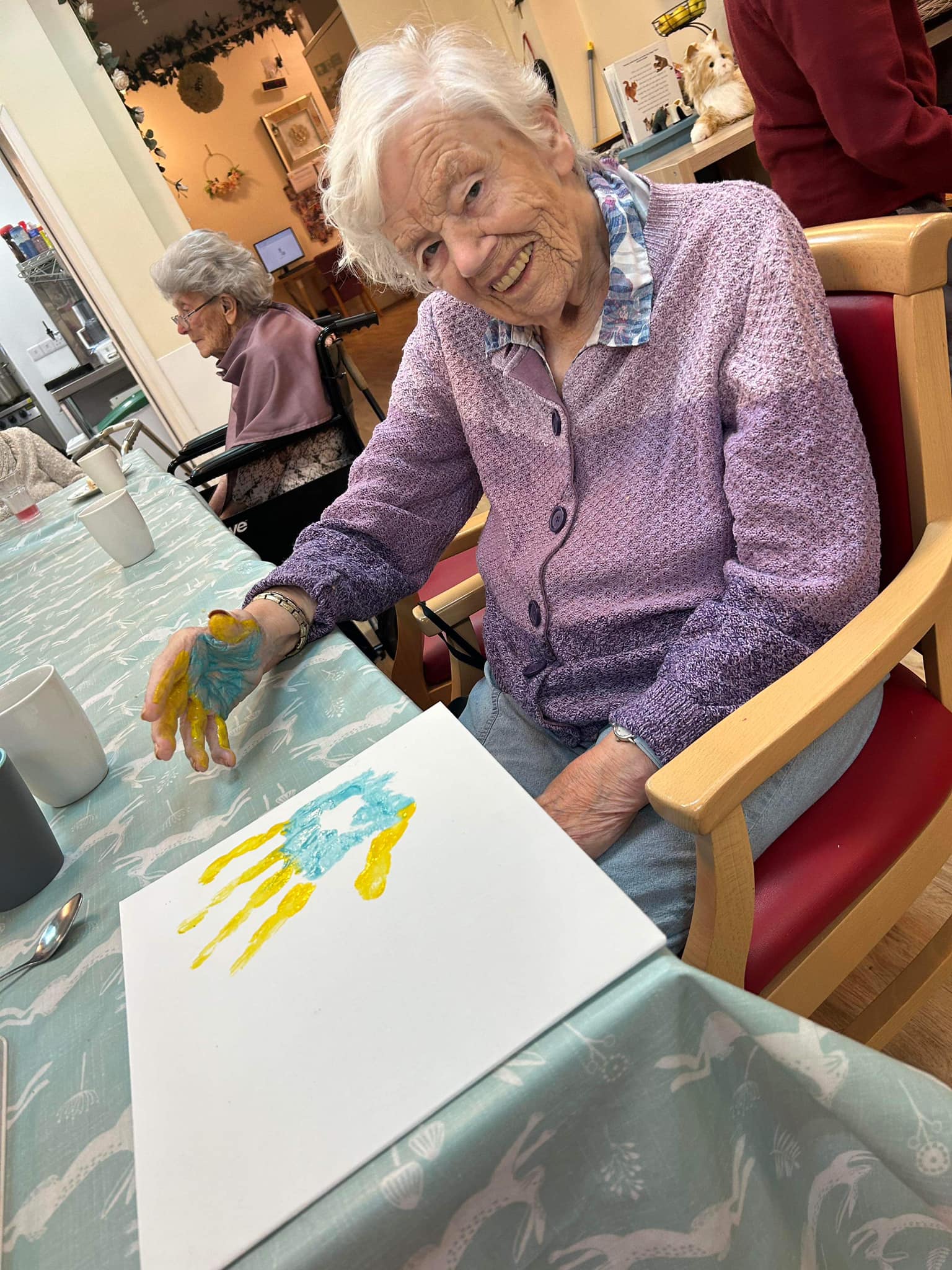
Wisteria House offers three small, homely dementia care homes in Plymouth. Our interiors are warm and domestic, not clinical. Staff build relationships with residents rather than focusing only on tasks, and our flexible routines help people feel safe and calm.
Our CQC ratings across our Plymouth homes include Outstanding and Good, reflecting strong standards of care and leadership. Families can rely on us for assessments, trial stays, personalised room set-up and ongoing communication.
We walk with you through every step of moving into a care home, making the transition feel far less overwhelming.
Ready to talk things through? Arrange a visit to Wisteria House
If you would like to speak with our team, ask questions or arrange a visit, we are here to help. There is no pressure or commitment. Families are welcome at any time, and we are happy to talk through what your loved one needs now and in the future.