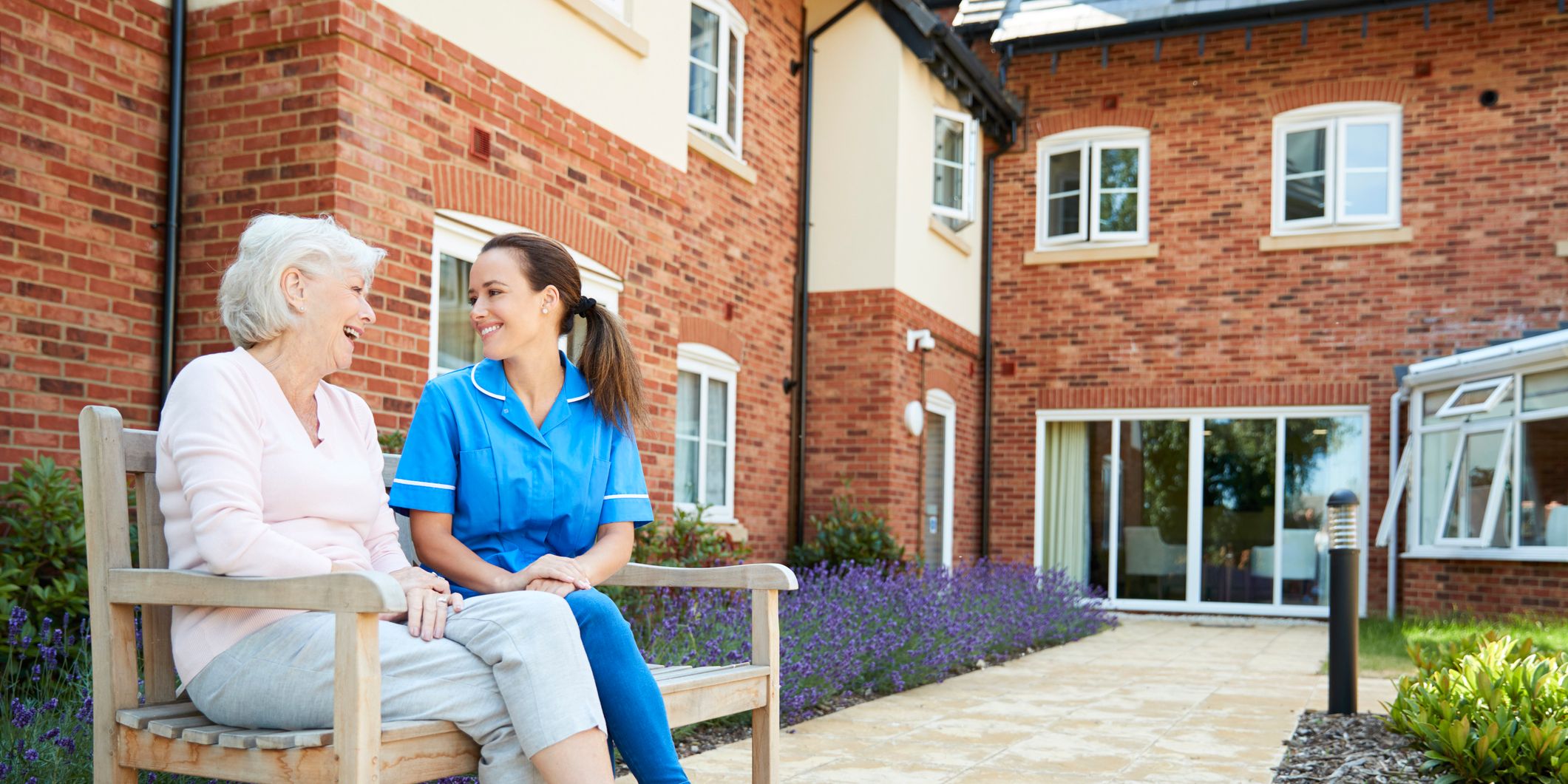
What to look for when choosing a dementia care home
Choosing a dementia care home is a big decision and one that shouldn’t be taken without care and consideration. Finding the right home can make all the difference to the happiness, comfort and quality of life for you or your loved one.
Our guide takes you through the process of choosing a dementia care home. Knowing the right signs to look for and the right questions to ask is the simplest way to compare care homes and find the one that is right for you or your loved one.
Choosing a dementia care home: residential vs nursing vs respite care
When choosing a dementia care home, it’s important to understand the type of care you or your loved one needs.
Care homes are commonly grouped into two main types: residential and nursing. In practice, some homes are registered to provide both types of care, and many offer specialist dementia support as part of their services. Nursing care homes support people who need registered nursing care from qualified nurses (for example, medication support and ongoing monitoring), alongside the usual care provided in a care home. Residential care homes are for people who need support with daily activities but not full-time medical care.
There are also other options to meet specific needs. Some care homes, like Wisteria House, specialise in dementia care for individuals who feel more comfortable in structured surroundings. Respite care is a temporary stay at a care home. It can offer extra support after illness or surgery, or provide a short break for carers. And finally, day care is perfect for people still living at home but would like a little support and a social setting during the daytime.
When deciding on a care home, it’s worth considering that personal needs and requirements can change and thinking ahead may make things easier later on.
CQC ratings and inspection reports: how to use them (and their limits)
If you’re not sure where to look for care homes, there are a few different places to start. Contact your local council for information on local care homes or use a trusted directory such as the Elderly Accommodation Counsel (EAC). If you’d like a useful starting point before you visit, check the Care Quality Commission (CQC) website for the home’s most recent inspection report and rating.
The CQC is an independent regulator, and a great place to start looking for the care you need. The commission inspects England’s care homes and provides a public report and rating across five key areas - Safe, Effective, Caring, Responsive, and Well-Led.
However, it’s worth checking how recently the care home was inspected and whether the owners have changed in the meantime. The only way to truly know if a prospective care home is right for you, is to visit in person.
Person-centred dementia care and relationship-centred care: what “good” looks like day to day
Relationship-centred care is an important part of the support provider's role, responding to individual needs and emotional well-being at any given time. At a care home visit, you’ll be able to see this in the way the staff relate to the residents.
Useful questions to ask are:
- Are routines shaped around the resident, not the rota?
- Do staff adopt a calm and respectful tone?
- Do staff genuinely know the people they are supporting?
These little details offer a lot of insight into how the care home approaches resident care, and shows what ‘good’ looks like day-to-day.
Dementia care activities and meaningful occupation: how homes keep days positive
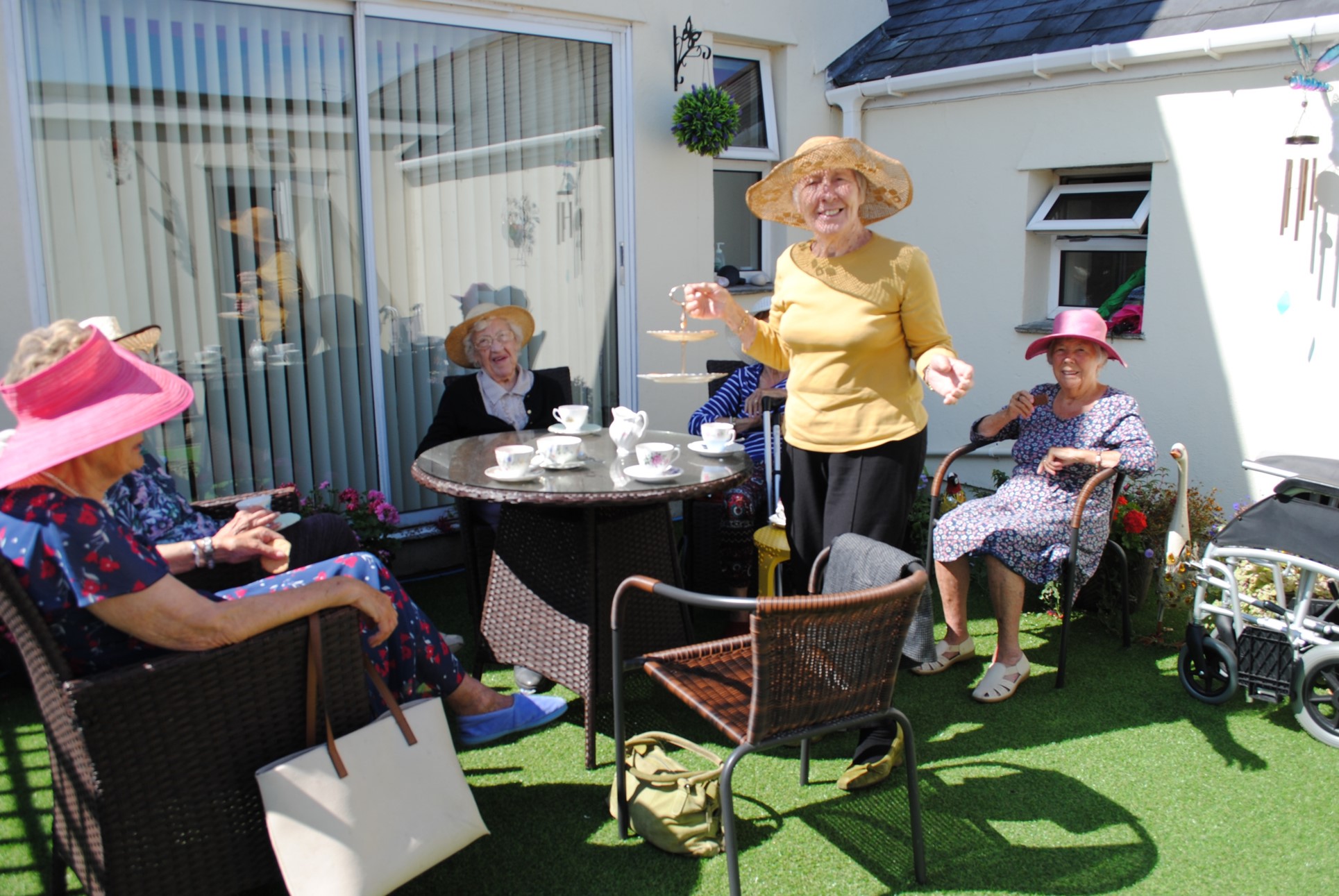
Social activities are an important part of life for us all, bringing a sense of purpose, connection and confidence. When choosing a dementia care home, it’s important to ask the right questions to make sure that meaningful occupation is supported and, ideally, encouraged.
Ask prospective care homes if there are regular social activities such as singing, gardening and outings. On your visit, look out for whether staff are sitting and chatting with residents, whether the social areas look comfortable and inviting and whether the residents look happy, occupied and involved in everyday tasks.
Meals, nutrition and hydration in dementia care homes: what to look for at mealtimes
At mealtimes, nutrition and choice are top of the agenda. Ask prospective care homes whether they offer mainly home-cooked food using fresh ingredients with plenty of variety on offer.
Choice-led mealtimes are important to support a personal approach to each resident. That means the choice of what to eat, what time and where they like to eat their meal. It is also important to keep in mind as well that some residents who live with dementia may benefit more from structured mealtimes, so be sure to ask prospective care homes about all these options.
It’s also worth noting whether the prospective care home offers 24-hour access to drinks and snacks to support ongoing health and hydration. Be sure to ask what safeguards are in place to help residents enjoy this safely.
Questions to ask when visiting a dementia care home
Do your prospective care homes provide the level of care that you or your loved one needs, or may need in the future? This is the key question to answer. Outside of this, we’ve already run through a few areas to ask in this article, but here are some more questions to consider:
- Atmosphere: Do the rooms feel spacious and full of light? Are the social areas, lounges and gardens inviting and relaxing?
- Staff approach: What’s the staff-to-resident ratio? Do residents seem engaged and well cared-for?
- Location: this is more important than you’d think. Is it conveniently located for family and friends? Is it quiet and peaceful?
- Costs: What’s included in the cost? Are there upfront fees?
When choosing a dementia care home, it’s worth writing down all your questions before your visit to make sure you don’t miss anything in the moment. As a helpful guide, Age UK has a comprehensive checklist to use.
Dementia respite care and trial stays: a gentler way to take the next step
Moving you or your loved one into a care home is a big change and can feel very intimidating. To allay any fear of change and to give everyone confidence in this next step, a respite care stay can be just the ticket.
Day and respite care can take a variety of forms. Some people might join for a one-off stay for a couple of weeks while their carer goes on holiday and others may join regularly for a day every week to enjoy a social setting and give their carer a regular rest.
At Wisteria House, anyone joining us for day or respite care in Plymouth receives the same care, support and service as our permanent residents.
Dementia care home costs and funding: what to clarify before you decide
Before you decide, it’s important to know exactly what is included in the care home fees. Some care home fees include care and specialist staff, who provide personal care and companionship, accommodation, food, laundry and transport for activities and outings. You’ll want a clear picture on fees before progressing any conversations.
Care home fees don’t always include optional extras such as toiletries, personal shopping, hair/beauty treatments, and some outings. Depending on the home, there may also be additional costs linked to certain appointments or services, such as private chiropody, dentistry/opticians, or escorted transport.
Depending on needs, some people may be eligible for NHS Continuing Healthcare (CHC), which can cover the full cost of care, or NHS-funded Nursing Care (FNC), which contributes towards nursing care costs in a nursing home.
Whatever your financial situation, it’s a good idea to seek impartial advice to make sure you don’t have to worry later down the line. PayingForCare, a free information service or The Society of Later Life Advisors (SOLLA) are good options.
Dementia care homes in Plymouth: arranging a local visit with Wisteria House
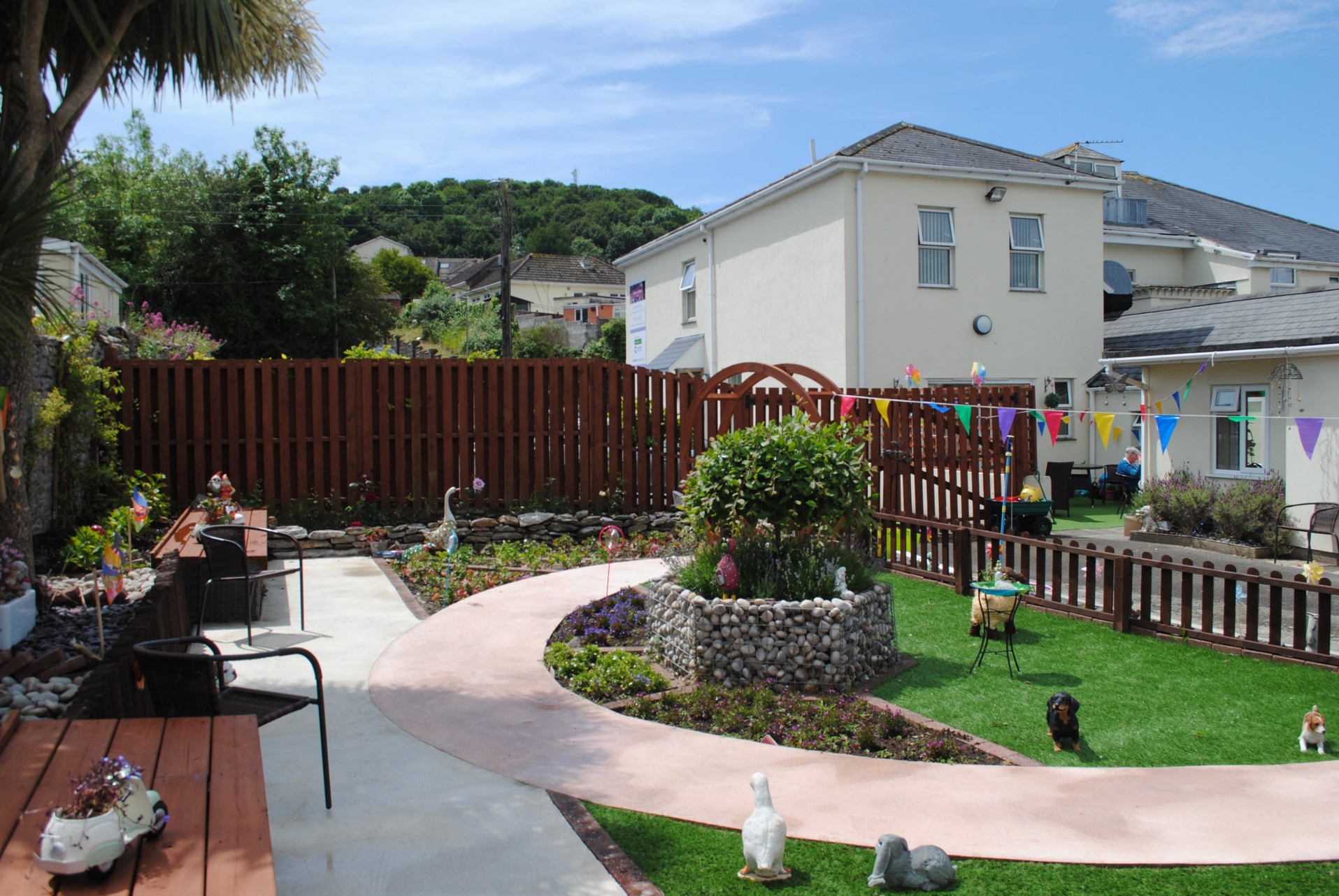 Image: Wisteria House Plymstock Garden & House
If you are looking for a care home in Plymouth or the surrounding area, we would love to meet you.
At Wisteria House, we specialise in providing a high quality of life, care and support for people living with dementia at our homes in Stoke, Woolwell, and Plymstock. We believe in encouraging our residents to make decisions and are always here to provide support and comfort.
Please get in touch if you’d like to enquire about availability, needs, fees or any other questions you may have.