
What should you consider when choosing a care home in Plymouth?
Finding the right care home is a big step for any family.
It often comes at a time when emotions are already running high, and you may be feeling worried and overwhelmed. All of this is normal.
We understand that choosing a care home for a loved one with dementia is not an easy decision. However, you may also feel relieved knowing there is help available.
Whether you are supporting a parent, partner or close friend, the decision to move into care affects everyone.
Our guide on choosing a care home in Plymouth will walk you through the key things to consider before making a decision, especially if dementia is part of the picture.
The aim is to help you feel clearer and more confident about your next steps and to support your loved ones in an environment they feel at home in.
Starting the conversation about care
Many families approach thinking about care when something changes. It could be a fall, increasing confusion or even loneliness. There are many different reasons to seek help for a loved one with dementia.
For some, dementia progression makes day-to-day life unsafe or overwhelming. For others, it is a gradual realisation that support at home is no longer enough.
National guidance from the NHS and Age UK explains that moving into a care home is a major decision. They encourage families to start planning before a crisis happens, if possible. That way, you have time to explore options calmly rather than making rushed choices.
If you are at an earlier stage and still unsure whether care is needed, it can help to understand the signs. You may find our guide on early dementia signs helpful.
Remember to talk openly as a family and approach things with understanding and patience. This will go a long way.
If you’re starting to explore dementia care in Plymouth, our compassionate team is here to help you talk things through - book a visit or speak to one of our team to learn more.
When is it time to move into a care home?
It's important to be able to recognise when it's time to make the move. Some symptoms to look out for include:
- Increasing falls or safety concerns
- Difficulty managing daily routines
- Carer burnout
- Wandering or confusion
- Isolation or loneliness
Understanding the process of moving into a dementia care home can be difficult when emotions are high - reading our article on how to move into a dementia care home will help to bring you clarity on the process.
Step one: Be clear about the type of care you need
Before choosing a care home in Plymouth, it is important to understand the different types of care available.
Residential care provides accommodation, meals and personal care such as help with washing and dressing.
Nursing care includes all of this, plus support from qualified nurses for more complex medical needs.
Specialist dementia care focuses on supporting people living with memory loss, confusion and changes in behaviour.
Matching the home’s expertise to your loved one’s needs is essential. If dementia is the main concern, a home with specific dementia training and experience will usually be better placed to offer the right environment and approach.
Wisteria House Dementia Care focuses specifically on dementia care and quality of life. This kind of specialism can offer reassurance if memory loss and confusion are central to your loved one’s needs.
Step two: Think about location, community and staying connected
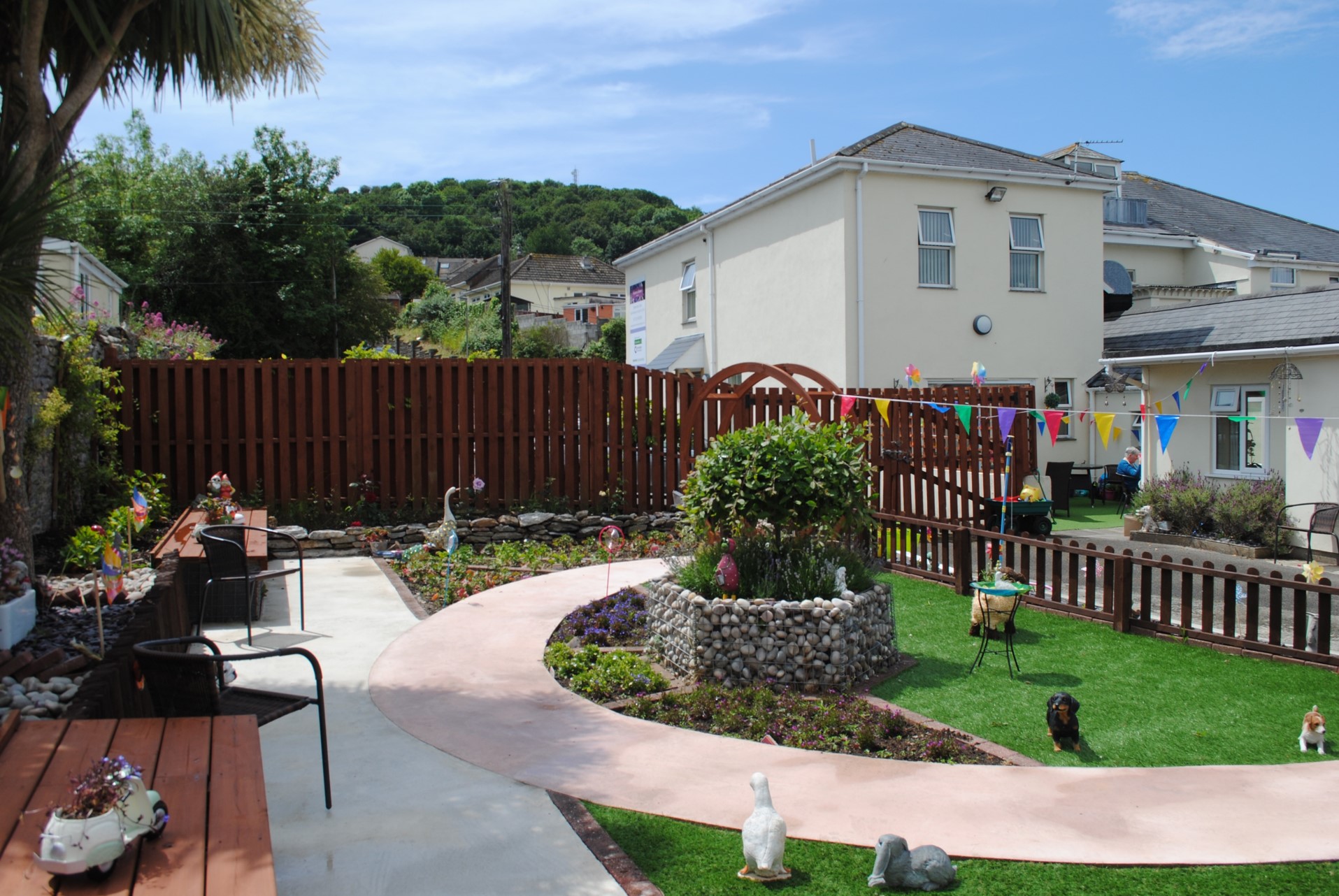
Location matters more than many people first realise.
Staying close to familiar areas can help someone settle. Being near their GP, favourite shops or even a well-known park can provide comfort. It also makes visiting easier for family and friends.
When choosing a care home in Plymouth, think about where you live and how often you can realistically visit. Homes in areas such as Plymstock, Stoke or Woolwell may offer different travel times and transport links. Plymouth City Council guidance through the Plymouth Online Directory suggests weighing up location carefully, especially if regular visits are important to you.
Even popping in for a short visit or sharing a meal can make a real difference.
Step three: Check independent ratings and reviews
Another helpful step for how to choose a care home in Plymouth is to review Independent information.
In England, care homes are inspected by the Care Quality Commission. They are rated as Outstanding, Good, Requires Improvement or Inadequate.
An Outstanding rating means the home is performing exceptionally well. Good means it is meeting the required standards consistently.
It is wise to read the full report rather than just the headline rating. Some reports may be a few years old, so check the inspection date.
You can also look at NHS profiles and independent review sites such as carehome.co.uk to see what families are saying.
We've been rated Outstanding by the Care Quality Commission - the highest rating awarded by the CQC - and we have wonderful testimonials from our wider Wisteria family. That said, ratings are only part of the picture. Your own visit will tell you far more about how a home feels.
If you're currently considering dementia care in Plymouth, you don’t have to figure it out alone. Our team is here to talk things through and help you understand your options.
Step four: Visit your shortlisted care homes

If possible, visit more than one home.
Arrange a time in advance so staff can show you around properly. Spend time in communal areas rather than only looking at bedrooms.
Observe how staff speak to residents. Are they patient and warm? Do residents seem relaxed?
National checklists from organisations such as Age UK and carehome.co.uk can help you structure your visit.
Having a list of questions written down can stop you from forgetting something important on the day.
Most of all, trust your instincts when choosing a care home.
Questions to ask during your visit
When choosing a care home in Plymouth, it helps to ask how staff are trained, especially in dementia care.
- Care Plans: Ask how care plans are created and how often they are reviewed.
- Visiting: Ask about visiting arrangements and whether they are flexible.
- Activities: Ask what activities are offered each week and how residents are supported to stay active and engaged.
- Medical Care: Ask how medical needs are managed and how the home works with local GPs and community services.
There is some practical guidance in our family checklist for moving into a dementia care home to help.
Signs of high-quality dementia care
Good dementia care often has a calm but lively feel. People are not simply sitting in rows watching television all day. There is conversation and gentle activity throughout.
Staff should know residents as individuals, not just as names on a list. They might talk about someone’s past job, their favourite music or the food they enjoy. This is a good example of relationship-based care.
This is reflected in our Outstanding rating - we focus on flexible routines, a strong family feel, and no rigid timetables. Inside each of our homes, you'll find homely lounges, accessible gardens and spaces where residents can move safely and freely.
Thinking about quality of life, not just basic care
Safety and cleanliness are essential, but quality of life goes further than that. When choosing a care home in Plymouth, ask yourself what everyday life will look like.
Are there meaningful activities? Are there trips out when possible? Is food freshly prepared and varied? Do residents have a choice over when they get up or what they wear?
For someone living with dementia, being able to move freely, spend time in the garden and make simple choices can protect dignity and independence.
Costs, contracts and funding in Plymouth
Fees for care homes do vary widely across Plymouth, so it is important to understand exactly what is included in the weekly cost. It's important to ask about extras and what happens if financial circumstances change.
Some people pay for their own care, while others may be eligible for support from the local authority after an assessment.
The Plymouth Online Directory provides up-to-date local information, and Age UK offers detailed guides on funding and contracts. For tailored financial advice, it is always best to speak to a professional or your local council.
Why a specialist dementia care home in Plymouth can help
If dementia is the primary need, a specialist home can offer added reassurance.
Staff are trained to understand the different stages of dementia. Environments are designed to reduce confusion and support independence. There is often a strong focus on emotional well-being as well as physical care.
Wisteria House has a small group of homes in Plymouth that specialise in dementia care and is rated Outstanding by the Care Quality Commission. This kind of expertise can support both residents and families, especially when behaviours or needs become more complex.
Choosing a care home in Plymouth that truly understands dementia can make daily life smoother and more settled for everyone involved.
How Wisteria House supports you through the decision

At Wisteria House, families are encouraged to visit openly and without strict time limits. The ethos centres on comfort, dignity and a sense of home. There are no uniforms and no rigid routines, which helps create a relaxed environment.
You can visit for a meal or explore options such as respite or day care to get a feel for the home before making a long-term decision. The team works closely with families to ease the transition into care, offering reassurance at every stage.
There is no pressure. Just honest conversations about what might work best for your loved one.
What our wider family say about us
Arrange a visit to Wisteria House in Plymouth
If you are choosing a care home in Plymouth and would like to explore your options further, the Wisteria House team is here to help.
You are welcome to arrange a tour of one or more of the Plymouth homes, ask questions about dementia care, or enquire about respite and longer-term stays.