
Dementia Clocks: A Simple Guide to Helping a Loved One Stay Oriented
In this guide, we'll explain what dementia clocks are, the different types available, and how to choose and introduce one in a way that feels supportive rather than stressful.
Are you a family member of someone diagnosed with dementia, trying to understand what the benefits are of Jelly Drops for dementia? This article explains what Jelly Drops are, why staying hydrated can be so difficult for people living with dementia and what the evidence says about how they may support fluid intake.
It's worth being clear from the outset that Jelly Drops are not a medical treatment and they're not meant to replace regular drinks, professional medical advice, or a personalised care plan. They're best understood as one practical tool that some families and carers use alongside everyday care.
Staying hydrated is one of the everyday challenges that often goes unnoticed in dementia care, yet it can have a real impact on health and wellbeing.
The main benefit of using Jelly Drops for dementia is to support hydration. Jelly Drops are made up of 95% water, with added electrolytes and B vitamins, and may be a helpful way to encourage fluid intake for some people living with dementia. Jelly Drops are sugar-free and brightly coloured, and their shape makes them easy to pick up, so they can be taken independently without assistance.
They were invented by Lewis Hornby after his grandmother was hospitalised with severe dehydration. He went on to work with doctors and dementia experts to design the product, which is now used by many families, carers and care providers.
Staying hydrated starts with noticing when we’re thirsty, recognising what a drink looks like and remembering to drink it. These are things most of us take for granted, but for someone living with dementia, these steps can be easily overlooked, which can lead to dehydration. A person may forget to drink throughout the day even with a glass right in front of them, struggle to hold a cup, or find it difficult to communicate that they need a drink at all.
As people age, their sensitivity to thirst also naturally drops, which compounds the problem further. Some medications and dementia-related illnesses can make dehydration worse still.
Hydration is one of the main benefits of using Jelly Drops for dementia, and they may help with some of these challenges, particularly where a person is more willing to take small, colourful, easy-to-pick-up sweets than a regular drink.
Their brightly coloured appearance is designed to capture attention, while their fruity flavour may make them feel more like a treat than another task to be encouraged. Their shape also makes them easy to pick up without any assistance, which in turn supports independent living.
For some people, Jelly Drops may support more independent fluid intake, although prompts, supervision and regular drinks may still be needed.
In terms of hydration, each pack of Jelly Drops contains around nine jelly treats and provides the equivalent of around 50ml of water. Jelly Drops suggest 2 to 3 packs per day to provide a hydration boost and support intake of the added B vitamins and electrolytes. However, they are designed to top up hydration levels, not replace regular drinks. If your loved one enjoys tea, juice or another familiar drink, these should still be offered throughout the day alongside Jelly Drops. As they are sugar-free, they may be suitable for some people managing diabetes, but families should still check individual dietary needs with a healthcare professional.
Although Jelly Drops may help encourage fluid intake, they should not be used instead of regular drinks. Before introducing Jelly Drops, it’s sensible for families to check suitability with a GP or dietitian, particularly if the person has difficulty swallowing, is at risk of choking, has diabetes, kidney or heart conditions, or has been advised to restrict fluids.
When introducing anything new into a person’s care routine, it is sensible to seek advice from a GP or relevant medical professional first, particularly where there are existing health concerns or dietary requirements.
Jelly Drops can be a useful addition to hydration support throughout the day, but as advised by Dementia UK, they shouldn’t be the only source of hydration. Drinks should still be available throughout the day, alongside watery foods such as melon, lollies, jelly and yoghurt.
Jelly Drops suggest 2 to 3 packs each day to provide a hydration boost and support intake of the added B vitamins and electrolytes. Each pack contains around nine jelly treats and provides the equivalent of 50ml of water.
Their guidance also explains that there is not a strict daily limit in the same way there might be with some foods or supplements, but every person’s health needs are different. Families should still follow any specific dietary advice and speak to a relevant medical professional if they have questions or concerns.
Jelly Drops can be a useful support for hydration, but it’s also important to mention that they work best as one element in a much wider picture of care.
When living with dementia, everyone’s needs are individual; there’s no 'one size fits all', so although Jelly Drops assist with dementia care, they are best incorporated into a person’s individual care plan. For example, this might include knowing the person’s favourite cup, monitoring how much fluid they take in during mealtimes, and having someone who can spot when their behaviour or usual patterns change. These are the types of things that a specialist care home can assist with, alongside dementia care activities and personalised meal plans.
Understanding hydration and the wider challenges that come with dementia is just one part of the care package a good dementia care home provides. Wisteria House specialises in caring for people living with dementia, offering person-centred care, 24-hour support, daily activities and ongoing support for families as well as residents.
Wisteria House has three specialist dementia care homes in Plymouth: Stoke, Plymstock and Woolwell. Each home is built around the same principle of getting to know each person as an individual, so that everyday support, from mealtimes to hydration to activities, reflects who they are.
Hydration is a small but meaningful example of this approach in practice. Whether that means a familiar cup, a favourite drink, a gentle prompt at the right moment, or something like Jelly Drops offered alongside a usual routine, it's all part of the same goal: helping each resident feel comfortable, supported and cared for as an individual, every day.
If you're supporting someone with dementia and hydration is just one of many things on your mind, you don't have to figure it all out alone. The team at Wisteria House is always happy to talk through what support might look like for your loved one — whether that's a few questions about daily care, a short break through our respite care, or simply finding out more about what life at Wisteria House is like.
There's no pressure and no obligation. Get in touch with our team whenever it feels right, or find out more about our day care and respite care options if you're exploring support that fits around your own routine for now.
In this guide, we'll explain what dementia clocks are, the different types available, and how to choose and introduce one in a way that feels supportive rather than stressful.
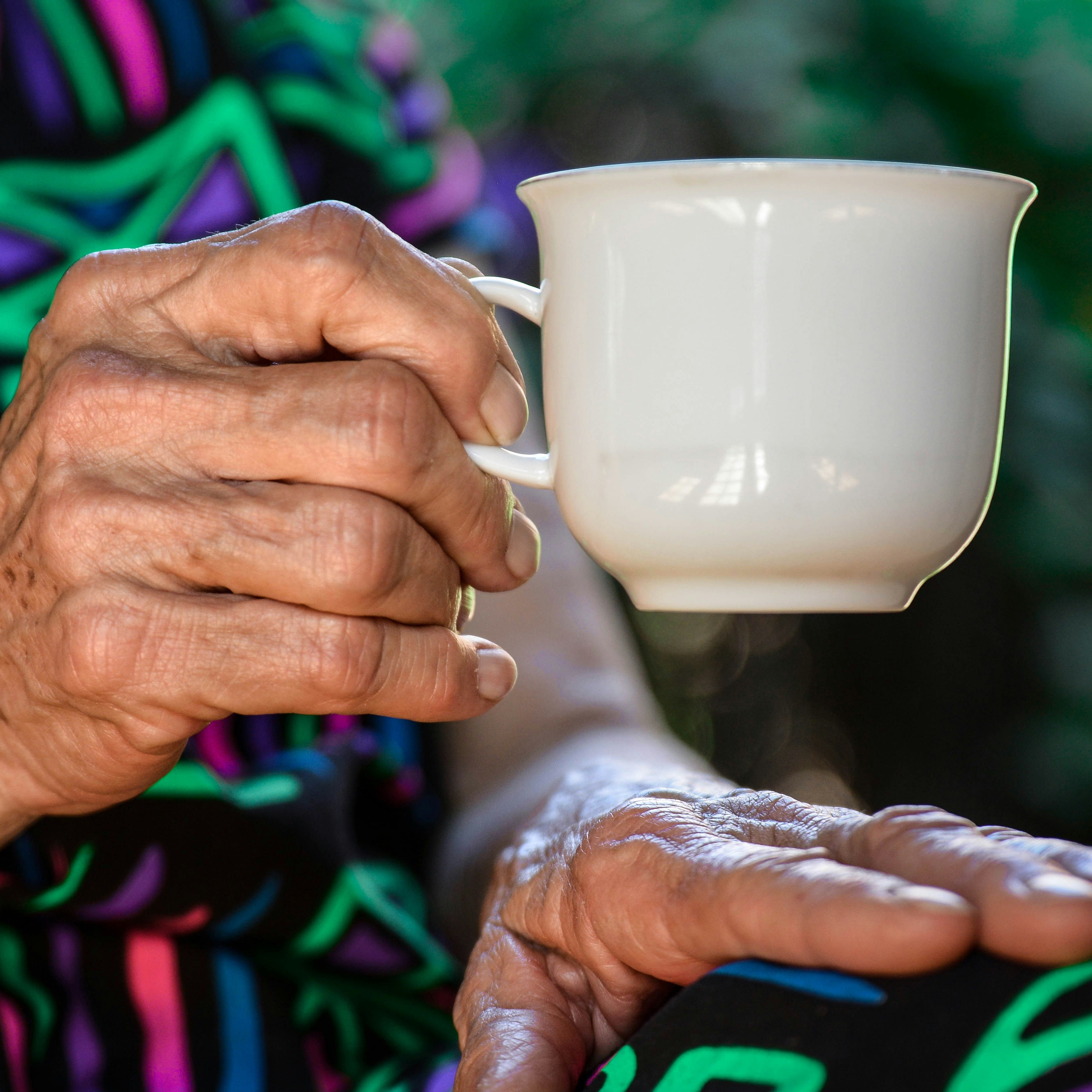
Are you a family member of someone diagnosed with dementia, trying to understand what the benefits are of Jelly Drops for dementia? This article explains what Jelly Drops are, why staying hydrated can be so difficult for people living with dementia and what the evidence says about how they may support fluid intake.

If you or a loved one is dealing with BPSD, then you are bound to have questions about what to expect and how to manage symptoms. One of the most daunting aspects of living with dementia, the behavioural and psychological symptoms of dementia can have a big impact on people’s lives. That said, there are ways of recognising what is happening, and how to approach changes and challenges that arise.

If you’re living with dementia and planning for the future, it’s worth looking at registering a Lasting Power of Attorney. Here is our guide to help you understand the process and the benefits of getting it in place early.

Our guide takes you through the process of choosing a dementia care home. Knowing the right signs to look for and the right questions to ask is the simplest way to compare care homes and find the one that is right for you or your loved one.

Deciding to move a loved one into a care home is never easy. From the emotional toll it takes on your family member and yourself, to organising finances, there is a lot to think about. Moving into a care home can feel like a huge shift for everyone involved, and it is normal to feel unsure about what to do first.

According to Dementia UK, around one million people are estimated to be living with dementia in the UK. It’s helpful to be able to understand what dementia is, as well as the early signs and symptoms. To help you understand a little more, here are some of the main types of dementia.

With Father’s Day fast approaching, many people are searching for thoughtful gifts for their loved ones. But for some, choosing the right gift can be especially difficult, particularly when buying for a family member with dementia.

If you’re looking for some new and interesting ways to help stimulate and entertain someone who is suffering from dementia, we can help.